Natural Resources Management
WATER QUALITY STANDARDS
Clean Water Act (CWA) § 305(b) & § 401
The Twenty-Nine Palms Band of Mission Indians obtained Treatment As State (TAS) for the administration of Sections 305(b) and 401 of the Clean Water Act in October 2006.Since that time, the Tribal EPA has utilized water quality monitoring data to develop Tribal Water Quality Standards for surface water on the Reservation. In July 2015, the Tribe adopted the Standards, and the following month they were approved by the U.S. Environmental Protection Agency, Region IX Office of Water, making the Standards part of federal law. The Tribal EPA currently enforces the Tribal Water Quality Standards by conducting surface water sampling and data analysis, and by operating permitting programs for projects which may affect water quality.

WATER POLLUTION CONTROL
Clean Water Act (CWA) § 106
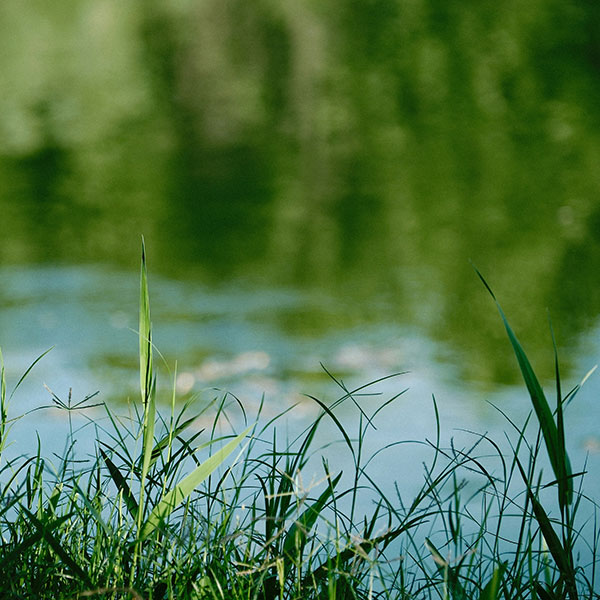
Section 518 of the Clean Water Act authorizes U.S. EPA to delegate authority to Native American Tribes for implementation of federal programs on tribal land. Under Section 106, the U.S. EPA also provides funding and technical assistance to prevent, reduce and eliminate water pollution. The Tribal EPA implements this program by conducting a long-term water quality monitoring program for surface water and groundwater on the Twenty-Nine Palms Reservation. Samples are routinely collected from specified sites and analyzed for an array of parameters at an analytical laboratory.
NON-POINT SOURCE
Clean Water Act (CWA) § 319
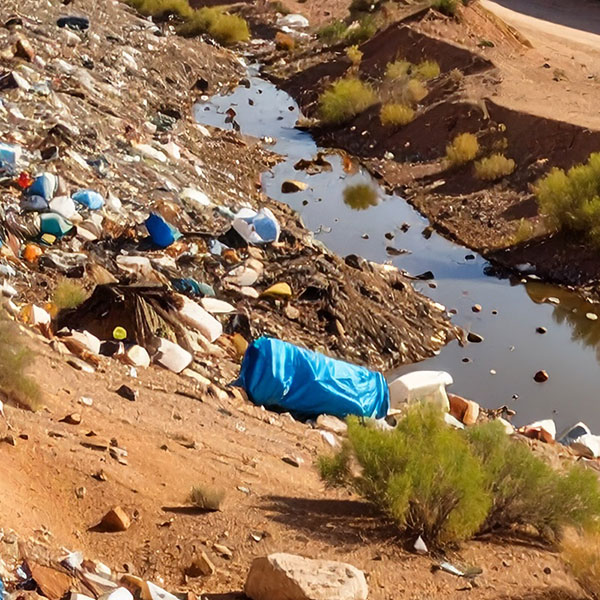
Non-point source (NPS) pollution is a form of water pollution which cannot be directly traced to a single source. Rather it is the accumulation of pollutants in water runoff (usually due to rainfall) in streams, rivers, lakes and other surface waters. The Tribal EPA works to prevent NPS pollution by implementing best management practices to reduce pollution on land surfaces. By preventing pollution on the Reservation lands, the Tribal EPA aims to reduce the amount of pollution conveyed into Tribal waters.

UNDERGROUND INJECTION CONTROL
Safe Drinking Water Act (SDWA)
The Safe Drinking Water Act (SDWA) established the U.S. EPA Underground Injection Control Program to regulate injection wells through its permitting program. The Twenty-Nine Palms Band of Mission Indians maintains an Underground Injection Control (UIC) permit to regulate discharges from a wastewater treatment facility on the Reservation. Tribal EPA staff review monitoring reports for the facility and keep records for compliance with the SDWA.
Air
Clean Air Act (CAA)§ 103
The Tribal EPA began its air quality program in 2015 with the intent to develop air monitoring capabilities for compliance with environmental and public health standards. In its first year, the Tribal EPA has begun compiling data from outside sources such as the California Air Resources Board, South Coast Air Quality Management District, and Imperial Air Quality Monitoring District. One main goal for the program is to understand potential changes in air quality associated with the Salton Sea, as affected by the Quantification Settlement Agreement, the California drought, and other negative environmental impacts.
AIR QUALITY
Air Quality Monitoring – CARB A.B. 617
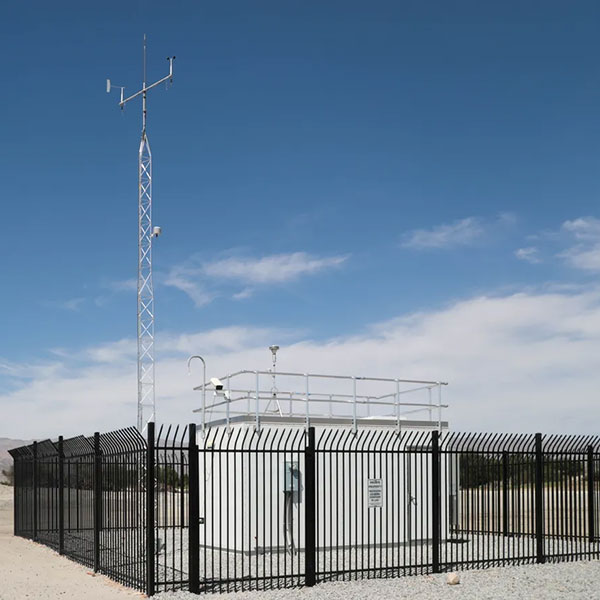
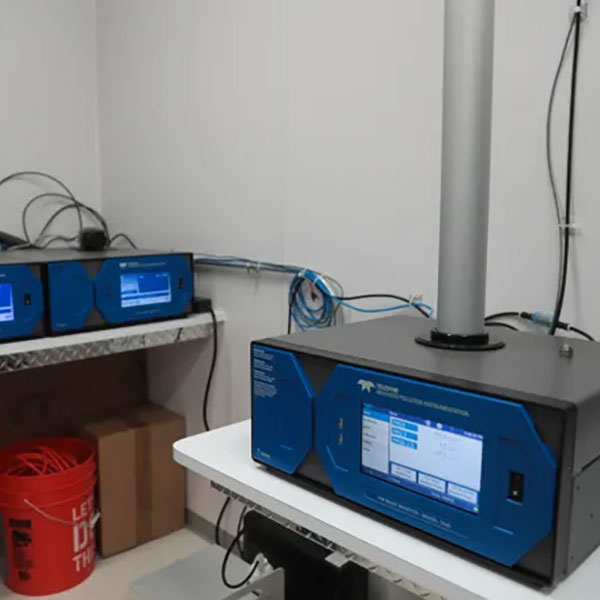
In 2015, the Twenty-Nine Palms Band of Mission Indians began development of an air quality program to understand the Reservation’s air pollution risks. Initially, data consisting of pollutant concentrations and emission inventories were retrieved from sources such as the California Air Resources Board (CARB), South Coast Air Quality Management District. In 2018, the Tribe was awarded a CARB AB617 Community Air Grant, which was used to begin an air quality monitoring program that would meet compliance standards for environmental and public health. The air monitoring station is recording regulatory-grade, defensible, data that can be used to make accurate decisions regarding health risks in the eastern Coachella Valley. The target parameter for the Tribe is Particulate Matter (PM) – small particles that are readily suspended in air and known to pose threats to human health. With anticipated increases in air quality pollutants due to vehicle emissions and new emissions from the exposing lakebed of the Salton Sea, the community needs to be vigilant. Moreover, the Tribe will conduct outreach to educate people about the air monitoring program and local air quality risks.
Current Air Quality Info
(Please be patient while information loads)
