Stewardship
Tribal Historic Preservation Office
Established in November 2012, the Tribal Historic Preservation Office (THPO) was created to safeguard culturally significant locations within the ancestral lands of the Chemehuevi people. Led by the Tribal Historic Preservation Officer, the department fulfills many of the same roles as a State Historic Preservation Office—but with a focused understanding of Tribal history and traditions.
On Tribal lands, the THPO is responsible for identifying, protecting, and advocating for historic and sacred sites. Beyond our borders, the THPO also represents the Tribe in official consultations, ensuring our voice is included in preservation efforts. This work includes cultural monitoring, repatriation, community education, and consultation with agencies and partners. Each action is carried out with the intent to honor our past and preserve it for the benefit of future generations.

Desert Tortoise Conservation Efforts
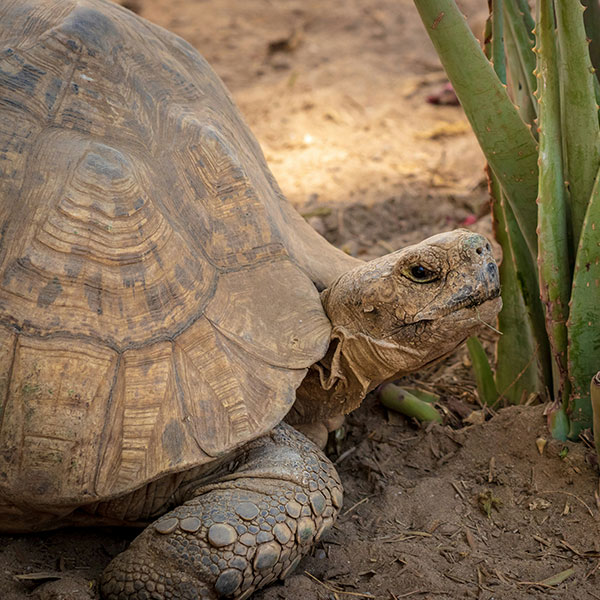
In response to increased development on our lands near Twentynine Palms, the Tribal EPA launched a dedicated Desert Tortoise Awareness Program to protect this culturally important and federally threatened species. When construction of Tortoise Rock Casino began in October 2013, environmental assessments revealed active tortoise habitat in the area.
To protect the species, the Tribe implemented a Tribal Habitat Conservation Plan (THCP), erected a desert tortoise exclusion fence, and established a 40-acre protected conservation zone. These steps reflect our enduring respect for the land and the life it sustains—balancing growth with responsible stewardship of the natural environment.
Natural Resources Management
As caretakers of our ancestral lands, we understand that protecting natural resources is essential to the well-being of our people and future generations. Our Tribal Environmental Protection Agency is dedicated to this responsibility.
Through the creation of strong water quality standards, active monitoring of water systems, and the prevention of non-point source pollution using best management practices, we work to ensure our waters remain clean and safeguarded. Our permitting program also regulates injection wells to further protect this vital resource.
We also monitor the air we breathe – especially as conditions around the Salton Sea shift due to the Quantification Settlement Agreement, prolonged drought, and other environmental challenges. These efforts reflect our deep-rooted commitment to the land, air, and water that sustain us.
Environmental Protection
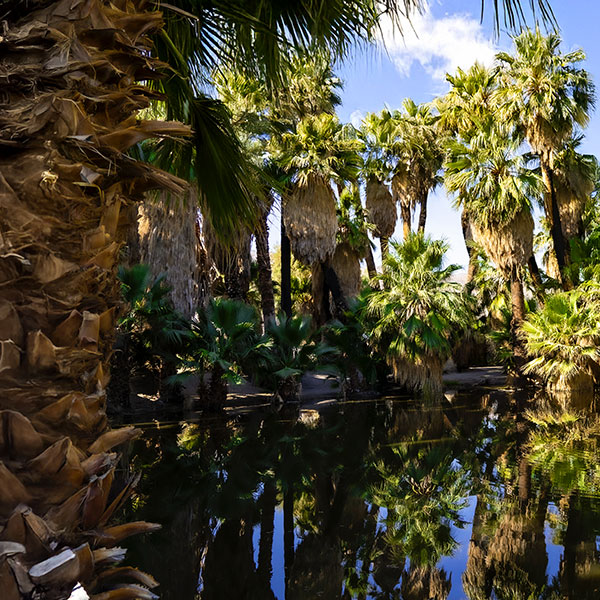
In 1997, the Twenty-Nine Palms Band of Mission Indians established the Tribal Environmental Protection Agency (Tribal EPA)—a partnership with the United States Environmental Protection Agency that reflects our deep commitment to preserving the land we call home. The Tribal EPA oversees a wide range of environmental programs on the Reservation, including the development of regulatory policies, community education, and non-regulatory initiatives that protect our natural resources for generations to come.
Food Safety
The Tribal Environmental Protection Agency serves as the arm of the Tribal Government responsible for overseeing the Food Safety Program. Through this program, the Tribe ensures that all temporary food facilities (TFFs) operating on the Reservation follow proper food handling and sanitation practices—protecting the health and safety of our community at every gathering.